
Make a One-Time Donation
Help cover emergency veterinary bills, medicine, and food for rescued foxes and injured wild canines. Even a small gift makes an immediate difference.
Donate NowWelcome to The Felix Foundation! We are a home-based, DNR-licensed and IWRC-certified large mammal rehabilitation center and sanctuary specializing in wild canines. We provide lifelong care for more than 30 non-releasable foxes and coyote hybrids who cannot return to the wild. We also rehabilitate injured and orphaned wild canines, releasing them back into their natural habitat whenever possible. Our work is funded entirely by donations.
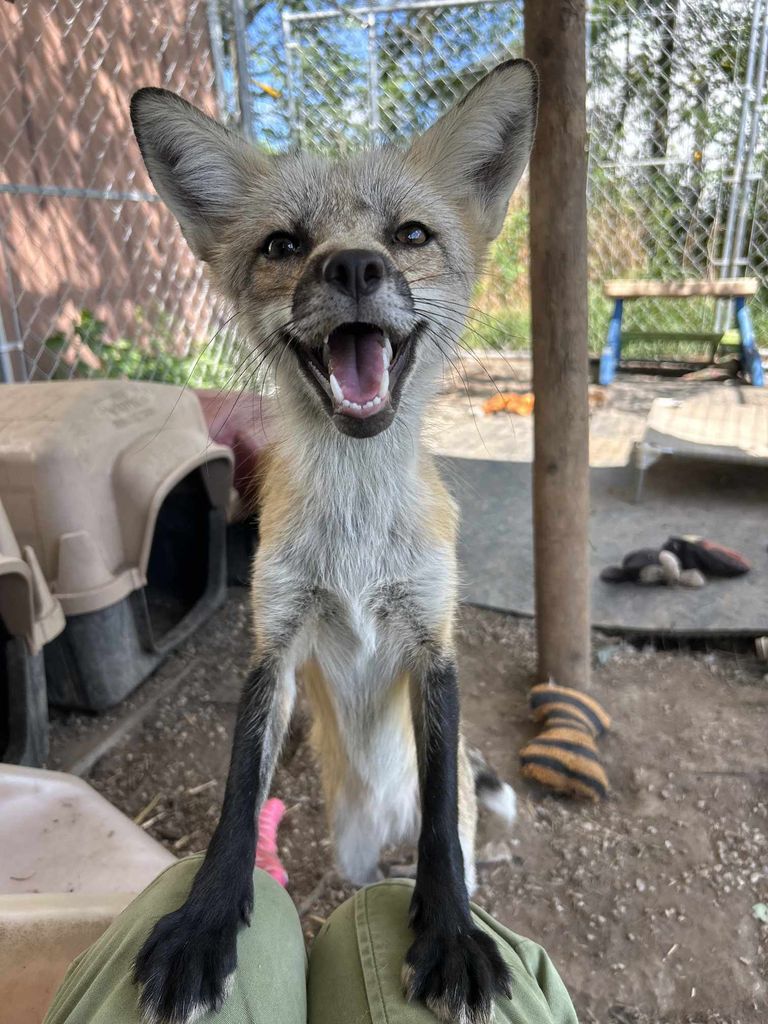

The Felix Foundation is a licensed, experienced wildlife rehabilitation and sanctuary facility in Michigan. We specialize in foxes, coyotes, and other wild canines. Some animals stay with us only while they heal, then return to the wild. Others, usually foxes from the pet trade or animals with permanent injuries, remain in our care for life.
Foxes are not domestic animals. Many of the foxes who arrive here began as someone's "exotic pet" and were surrendered when their needs became overwhelming. Others are confiscated, or are non-releasable after trauma. Our job is to make sure they have safety, enrichment, medical support, and dignity for the rest of their lives.
We receive no state or federal funding. Public support keeps food in bowls, keeps heat on in the winter, and pays for emergency veterinary care. Your help matters.
© 2020– The Felix Foundation Fox Rehab and Sanctuary — a DBA of Mother of Many Wildlife Rehab, Inc.Your support provides food, medical care, enrichment, and safe habitats for foxes who cannot survive in the wild. Every dollar goes directly to animals in our care.
Help cover emergency veterinary bills, medicine, and food for rescued foxes and injured wild canines. Even a small gift makes an immediate difference.
Donate Now
Become a monthly guardian for one of our permanent residents. Get a certificate, photos, updates, and the knowledge that you are keeping that animal safe.
View Sponsorship Tiers
Want to help feed foxes, or keep them warm and enriched? You can ship critical items like high-quality food, bedding, enrichment toys, and medical supplies directly to us.
Open WishlistMonthly sponsorships provide predictable funding for food, medicine, and habitat upkeep. Choose a level, and become part of a fox's story.
Your contribution helps provide food, medicine, and enrichment for every animal in the sanctuary. We thank you for your support.
Support the SanctuaryThese foxes non-releasable for medical or legal reasons, and will remain in sanctuary care for life. Your sponsorship helps them live safely, comfortably, and with dignity.

Female Red Fox (Cross). A pet surrender whose owner learned a permit was required. Shy, gentle, and gaining confidence each day.
Sponsor Diva →
Female Red Fox (Fire and Ice). Transferred from Foxes Journey after struggling with group dynamics. Loves people, dogs, and fresh enrichment.
Sponsor Kali →


Male Red Fox (Cross). Confiscated by Indiana DNR after being sold on a street corner; a rehabber sought placement and we stepped in. He even flew to us on a small private plane and is thriving with steady care.
Sponsor Clover →

Male Red Fox (Leucistic). Pet surrender when permits and space fell short. Known for his adorable underbite and strong bond with his trainer-he's a fan favorite.
Sponsor Ghost →
Male Red Fox (Silver). Rescued along with Georgia from a neglect case in Grand Junction. Has recently lost a limb due to an argument with Felix, but still has the heart of a fox.
Sponsor George →
Male Red Fox (Lavender). Surrendered when his family moved and couldn't keep him (with Khaleesi). Shy at first, now brave enough to take treats from friends.
Sponsor Floki →


Female Red Fox (Silver). Came from a trusted contact who was overwhelmed. Quiet and elusive; healed well after a past tail injury and often leads gently in her space.
Sponsor Athena →
Female Red Fox (Red). Surrendered as a youngster; small and sensitive, she does best with calm routines. Loves toys and chicken jerky.
Sponsor Cora →

Male Red Fox. The fur-farm rescue who inspired this sanctuary. Spicy with humans, but utterly devoted to Ava.
Sponsor Felix →
Male Red Fox. Wild-born and shy; recovering beautifully after losing a leg. Loves squeaky toys and soft beds.
Sponsor Roo →

Male Red Fox (Silver). Fur-farm survivor with a big personality. Protective with neighbors but playful with friends-and very treat-motivated.
Sponsor Crimson →
Female Red Fox (Silver). Pet surrender who adores toys and snacks. Friendly, playful, and always up for enrichment time.
Sponsor Miss Kitty →
Male Red Fox (Pearl Cross). Pet surrender who recovered from heat stroke and seizures; he battled through a tough start. Curious and playful-loves new toys and treats.
Sponsor Disco →
Female Red Fox (Dakota Gold). Found approaching people for food at a wildlife refuge; volunteers and local law enforcement helped bring her to safety. She's thriving with patient care and enrichment. Loves Venison, Chicken Jerky and Sardines.
Sponsor Dakota →


Female Red Fox. Noodle is a wild-born red fox who arrived as a very sick kit with a severe ear infection that cost her an outer ear. After months of care, our vet transferred her to us, and she is now a beloved ambassador under our scientific collectors permit.
Sponsor Noodle →
Female Red Fox (Silver). Rescued with George from a neglect case in Grand Junction. Gentle and curious; she keeps a playful rivalry with Dakota across the fence.
Sponsor Georgia →

Male Raccoon. Meeko was raised and surrendered as pet. After a long rehabilitation period and an unsuccessful release attempt, he was deemed unreleasable and is now a permanent resident
Sponsor Meeko →

Female Red Fox (White Marker). Temporary Name This pretty vixen was transferred to us at the end of February 2026 by a trusted friend.
Sponsor White Marker →
Female Red Fox (Pearl). Temporary Name This pretty vixen was transferred to use at the end of February 2026 by a trusted friend.
Sponsor Pearl →


Female Red Fox (Dakota Gold). Our first fox saved from a fur farm, transferred from SaveAFox in 2023 to be a friend for Felix. A sweet soul who settled in beautifully.
Sponsor Ava →Choose the guidance you need and we will route you to the right resources.
For Emergency Wildlife Help 517-375-2763


If you find a wild animal that appears to be in distress, please contact us right away before intervening. Many animals that seem abandoned or injured may not actually need help, and removing them from their environment can sometimes cause more harm than good. We can help you determine whether the animal truly needs assistance and, if so, guide you on the next steps, including whether it should be brought to our facility.
Signs an animal may need help include:
If you are instructed to bring an animal in, keep it warm, dark, and quiet. Handle the animal as little as possible and keep it away from children and pets. Excessive handling causes extreme stress and can lead to a fatal condition called capture myopathy.
If you're researching fox ownership, please read this entire section first.
If you're reading this, you're likely looking for information on keeping foxes as pets. Before anything else, it's important to understand that the only time a wild-born fox should be kept in captivity is when a permanent injury or condition prevents them from surviving on their own. A wild fox belongs in the wild unless release is impossible.
Keeping captive-born foxes as pets can be rewarding, but only if you enter into it with realistic expectations, the proper permits, and a solid understanding of their needs. Foxes are not indoor pets. They are destructive, carry a natural musky odor, and they communicate with their mouths—mouthing, nipping, and grabbing are all normal behaviors.
You may have seen TikToks or Instagram videos of friendly foxes cuddling in bed with their owners. Those clips are adorable, but they are not representative of typical fox behavior. Most foxes will not live quietly in a home or behave like domesticated pets.
Still not discouraged? That’s alright—I wasn’t either. Read on…
Before anything else, make sure you understand and comply with your state’s regulations. Some states require specific permits, minimum enclosure sizes, or proof of experience. Follow the rules—never try to keep a fox “under the radar.” If you're caught, your fox can be confiscated and, in some cases, euthanized. It's not worth the risk.
If you are located in Michigan, we are happy to provide education on fox ownership, licensing requirements, and proper enclosure design. This consultation covers diet and costs, caging, enrichment, and guidance on how to obtain the correct permits. As a wildlife rehabilitator, Jolene is experienced in animal nutrition and in designing secure, DNR-compliant enclosures that meet the needs of captive foxes.
Contact Us about Fox Ownership Consultancy
Owning a fox is more complex than many people expect. Sometimes circumstances change. Laws change. Finances shift. Housing situations evolve.
If you are struggling, you are not alone. Our goal is not to judge; it is to help you and your fox find the safest, most responsible path forward.
All inquiries are handled respectfully and confidentially.
Contact Us for SupportIf your goal is to keep your fox, we may be able to help you succeed safely and legally.
We can provide guidance on:
Our focus is responsible ownership and animal welfare. If keeping your fox is realistic and lawful, we will support you with practical information.
Request Ownership GuidanceIf you can no longer care for your fox, please reach out before making any permanent decision.
We understand that surrender is not easy. Most owners love their fox deeply. Our role is to ensure the animal’s safety while treating you with respect.
Depending on space and circumstances, options may include:
Safe placement takes planning. We cannot guarantee immediate intake, but we will help you explore responsible alternatives.
Discuss Rehoming OptionsReleasing a captive fox into the wild is illegal in many states and is often fatal for the animal.
Captive foxes typically lack:
Release can also endanger native wildlife populations.
If you feel overwhelmed, contact us first. There is always a safer option than abandonment.
We aim to make the process clear and calm.
Our priority is the long-term welfare of the fox.
Possibly. Placement depends on legal regulations, transport logistics, and available space. Contact us to discuss.
No. We do not charge a surrender fee. We understand that financial hardship is often part of these circumstances. While never required, donations are always appreciated to help support the fox’s ongoing care.
Yes. If your fox is in our care, we can provide updates when requested. We’ll also explain what to expect during intake and settling-in. You may also see your fox from time to time in our social media posts, as we share sanctuary life and milestones when appropriate.
No. Healthy foxes are not euthanized for convenience. Our mission is lifelong sanctuary care when release is not possible.
Asking for help is a responsible decision.
Whether you are seeking guidance, struggling with unexpected changes, or trying to prevent a crisis, we are here to help you protect the animal you care about.
Contact Us ConfidentiallyFor emergencies, please call or text. For general questions, sponsorship, or education requests, email or use the form.
Your message was sent successfully. We appreciate the support and will respond as soon as possible.
Your secure Stripe checkout finished successfully. We’ll email a confirmation shortly and update your Felix portal once everything syncs.
We’re building a richer user portal experience with direct access to subscriptions, sponsorships, and more. Check back soon!
You have been removed from our newsletter list. You can rejoin anytime from the homepage.
Online donations are the quickest way to put food, medicine, and safe shelter directly into fox paws. Gifts are processed through trusted payment providers over secure, encrypted connections — we don’t store your card details on our site. You can make a one-time gift, set up a monthly pledge for steady care, or choose a sponsorship level if you’d like to follow a specific fox’s story. Many donors also add a note or dedicate a gift in someone’s honor, and most receive an email receipt right away. However you give, it helps us say “yes” to the next rescue who needs a warm bed and a second chance.


Please contact us if you need guidance or immediate assistance. 517-375-2763
Baby season is here! If you have found an injured and/or potentially orphaned baby animal, please contact us right away. It is normal and expected for wildlife babies to be left alone for many hours at a time. However, there are specific signs we can check to determine whether a baby truly needs intervention.
If you observe any of the following, please safely contain the animal(s) and seek help immediately.
Please do not feed or give anything by mouth to injured or orphaned wildlife. Wildlife rehabilitators use specialized tools, techniques, and species-appropriate diets.
It is very common for wildlife to make their homes in human structures. While we understand this is not always ideal or welcomed, please do not relocate or remove raccoons, squirrels, or other wildlife from attics, crawlspaces, or similar areas.
Call us first. We can provide detailed instructions for humane eviction methods that allow the mother to safely move her babies with her. This keeps wildlife families together and prevents unnecessary suffering or loss of life. RELOCATION IS A DEATH SENTENCE. 💀
An unexpected error occurred. Please head back to the main page and try again.
Updates from the sanctuary, community, and rescues we support.

January 9, 2026
Why coyotes are on the prowl around Detroit
Lots to see in downtown Detroit now, including a coyote. FOX 2 crews spotted one on Friday morning and off Jefferson, a pack left Belle Isle to explore the city using the bridge. There is one thing to blame for the bold behavior; the breeding season.

December 4, 2025
Today we’d like to introduce you to Jolene Matousek.
Hi Jolene, it’s an honor to have you on the platform. Thanks for taking the time to share your story with us – to start maybe you can share some of your backstory with our readers?
I actually decided I wanted to be a wildlife rehabber when I was about ten. I was always finding baby animals needing help and had nowhere to turn. It wasn’t until I was 18 and moved to Howell that I found the Howell Nature Center and started volunteering. For years, that’s what I focused on, small mammals, late nights, and learning by doing. After I got my own permit I was initially focused on squirrels, and raccoons but have helped anything from mice to fawn. I was the person everyone called at 1 AM. I never said “No.”

February 24, 2024
Jessica Mathews / news@whmi.com
A small wildlife rehabilitation and sanctuary facility in Howell is issuing a community plea for support in the wake of significant challenges faced last year.
Mother of Many Wildlife Rehab, also known as The Felix Foundation, specializes in the rehabilitation of wild canids, helps animals in need, and offers a safe haven for rescued domestic foxes.
Quick myth-busters you can share. These address the most common claims used to justify harming wildlife — in plain language.
Myth: “Foxes attack pets and children.”
Fact: Attacks are extremely rare. Foxes avoid people. Most incidents are a fox defending itself from a chasing dog or protecting nearby kits.
Myth: “Foxes kill for fun.”
Fact: They cache extra prey for later — a survival strategy, not cruelty.
Myth: “Foxes spread rabies everywhere.”
Fact: Rabies in foxes is uncommon and less frequent than in some other wildlife.
Myth: “They’re invasive and don’t belong here.”
Fact: Red and gray foxes are native across most of North America.
Myth: “The only good fox is a dead fox.”
Fact: Foxes control rodents, disperse seeds, and keep ecosystems healthy.


Myth: “Coyotes lure dogs or cats to ambush them.”
Fact: Coyotes don’t plot ambushes — they flee. If a dog chases one toward its family/territory, others may defend themselves.
Myth: “Coyotes attack people all the time.”
Fact: Attacks are extremely rare — far rarer than dog bites. Coyotes prefer to stay unseen.
Myth: “Killing coyotes keeps populations down.”
Fact: It backfires. Lethal control triggers higher breeding rates and larger litters.
Myth: “They’re destroying wildlife.”
Fact: Coyotes help balance ecosystems by controlling rodents and removing weak or sick animals.
Myth: “They’re not afraid of us anymore.”
Fact: Human feeding and habitat loss reduce fear — it’s a human-caused problem, not coyote aggression.


